

Login or create an account
CloseReturning Customer
I am a returning customer
Login or create an account
CloseRegister Account
If you already have an account with us, please login at the login form.
Your Account Has Been Created!
Thank you for registering with Metro Trinity!
You will be notified by e-mail once your account has been activated by the store owner.
If you have ANY questions about the operation of this online shop, please contact the store owner.
Account Logout
You have been logged off your account. It is now safe to leave the computer.
Your shopping cart has been saved, the items inside it will be restored whenever you log back into your account.
The highest-quality materials are assembled here.
Since many of the furniture are made of wood, most of the typical furniture producing areas are also wood producing areas. Oma's top-of-the-line tuna, underground tuna, and these are seen in the Tokyo Tsukiji market. The Tokyo Tsukiji market is one of the largest wholesale markets in Japan, where the highest-grade tuna is gathered. But what about luxury furniture? For example, "American Black Wall Nut," which is not an exaggeration of furniture diamonds, is it said that the tuna is a sea diamond. Many of these gather in Asahikawa, Hokkaido. So to speak, it is Asahikawa, where high-grade furniture materials are used in the construction of tuna, and furniture materials.
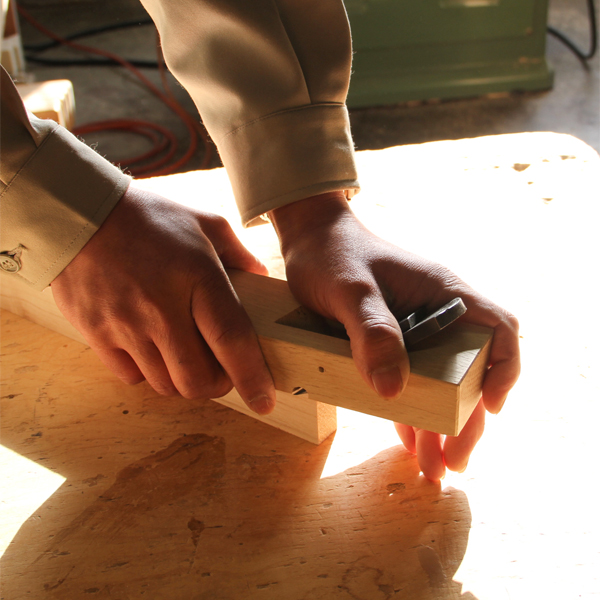
The skill and pride of the craftsman.
Good quality materials that do not cause irregularities such as expansion and contraction are the first steps in making perfect furniture.Hokkaido, a dry climate, is a good storage place for humidity-sensitive wood. Nevertheless, cracks or other problems may occur if quality control is not performed properly. The drying process is also the most important process for the workers to be proud of. The high level of technological expertise of craftsmen is an evaluation of Asahikawa furniture. Every year since 1964, we have produced many winners in the furniture section of the National Skills Olympics Competition, in which young engineers compete on their arms. The award-winning works of the International Furniture Design Fair Asahikawa (IFDA), which is held once every three years, have also been commercialized, and have become a great stimulus to local furniture manufacturers.
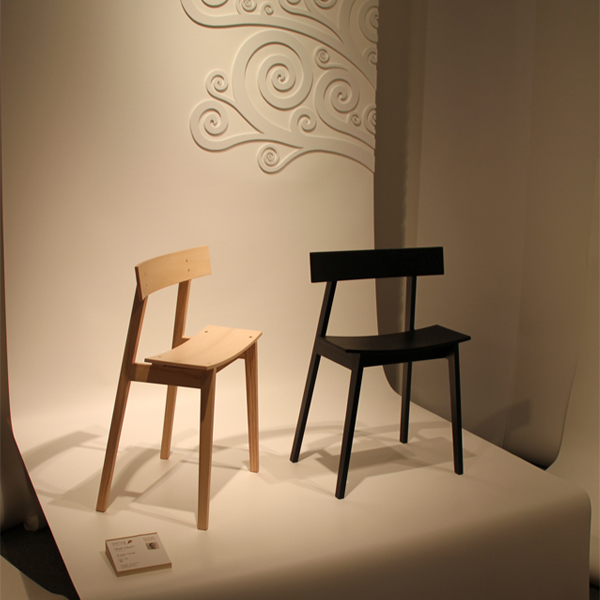
Pursuit of design.
Asahikawa City, one of Japan's leading furniture producing areas, is Hokkaido's second city, which is located nearly in the center of Hokkaido. Recently, the Asahiyama Zoo was spotlighted and became a nationally known town. The design of such Asahikawa furniture has many points in common with the furniture design of Northern Europe. It is said to be due to the use of limited materials in cold regions. Asahikawa's furniture also has a philosophy of making furniture in Northern Europe, which emphasizes the importance of materials and is rooted in our lives. In this way, it has become widely recognized by the furniture and design industries, and has gained a reputation for its unique spirit in Japan.
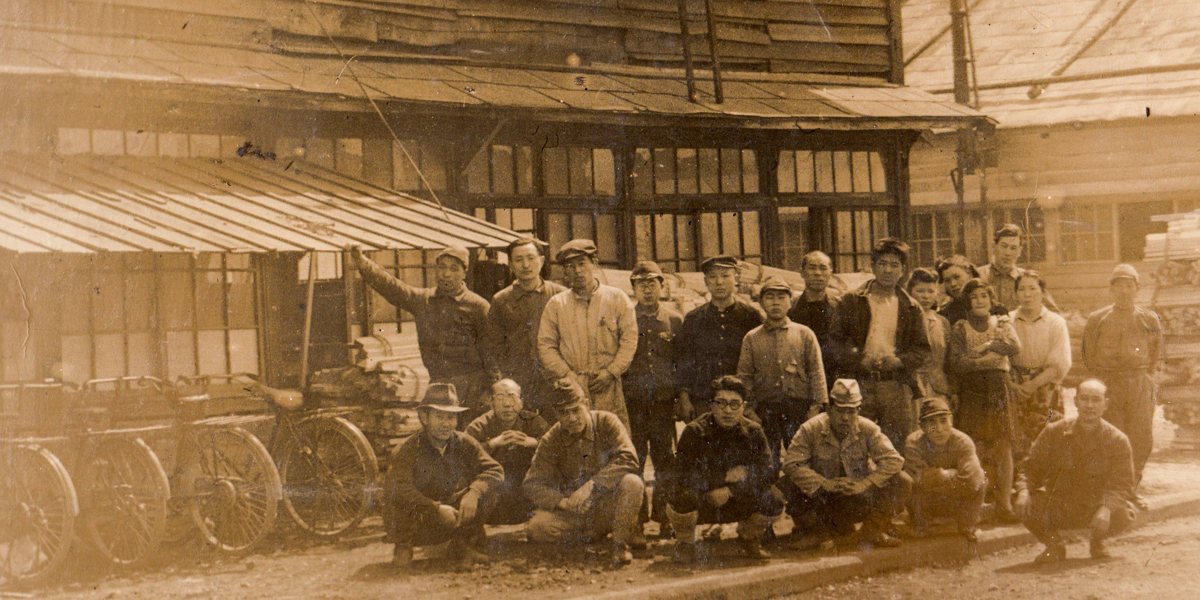
1890
Asahikawa development and demand for furniture.
In 1890, the cultivation of Asahikawa village, Hokkaido started in this year, and many people have successively settled. Along with this, demand for housing and furniture has risen, and the number of wood craftspersons who produce houses and furniture has increased in addition to the gardens who are responsible for cultivation. In response to the continued cold damage caused by the arrival of Taisho, wood industry attracted attention as an industry unaffected by the weather. To improve its technological capabilities, a woodwork handicraft workshop was opened, and industrial inspections and woodwork exhibitions were carried out extensively. Thanks to these efforts, the amount of woodworking products produced at Asahikawa increased to 37.7 times by 1920 and 1920.
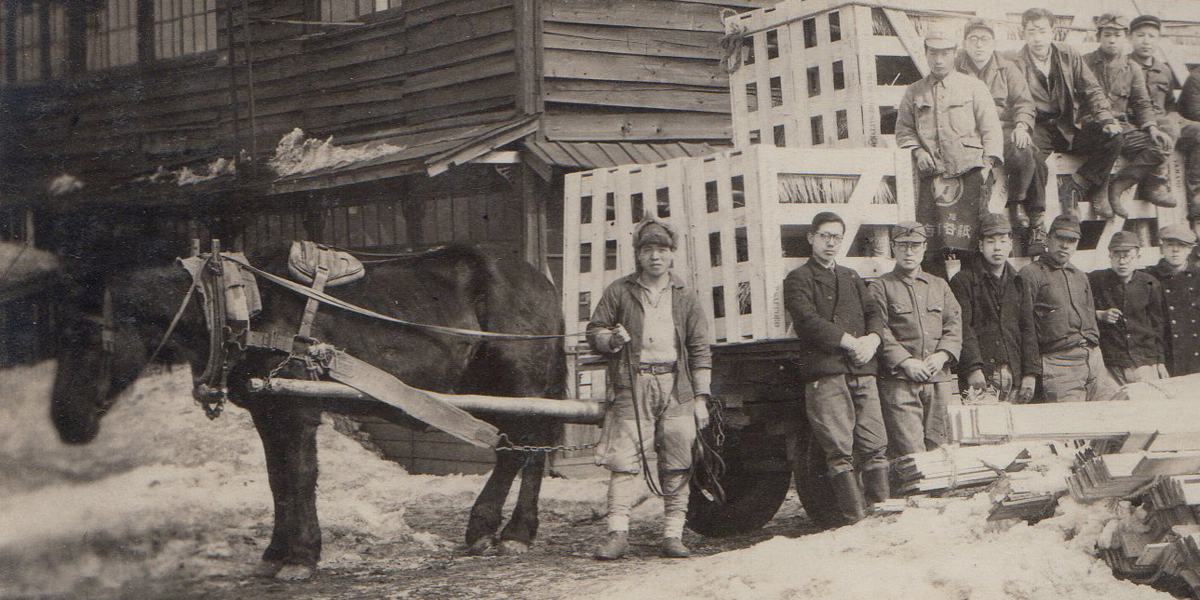
1928
Slowdown of Asahikawa furniture due to the war.
Asahikawa's furniture industry, which has continued to grow with the development of the region, is forced to stop due to two wars. Due to labor shortages, the seven-seventh prohibition law, which restricts the production and sale of luxury goods, and the prohibition of free competition by enacting official prices for 30 items of furniture, neither selling nor purchasing furniture will be possible. This situation continued in 1945 and 1945, when World War II ended, and is positioned as a dark period in the history of Asahikawa furniture.
1975
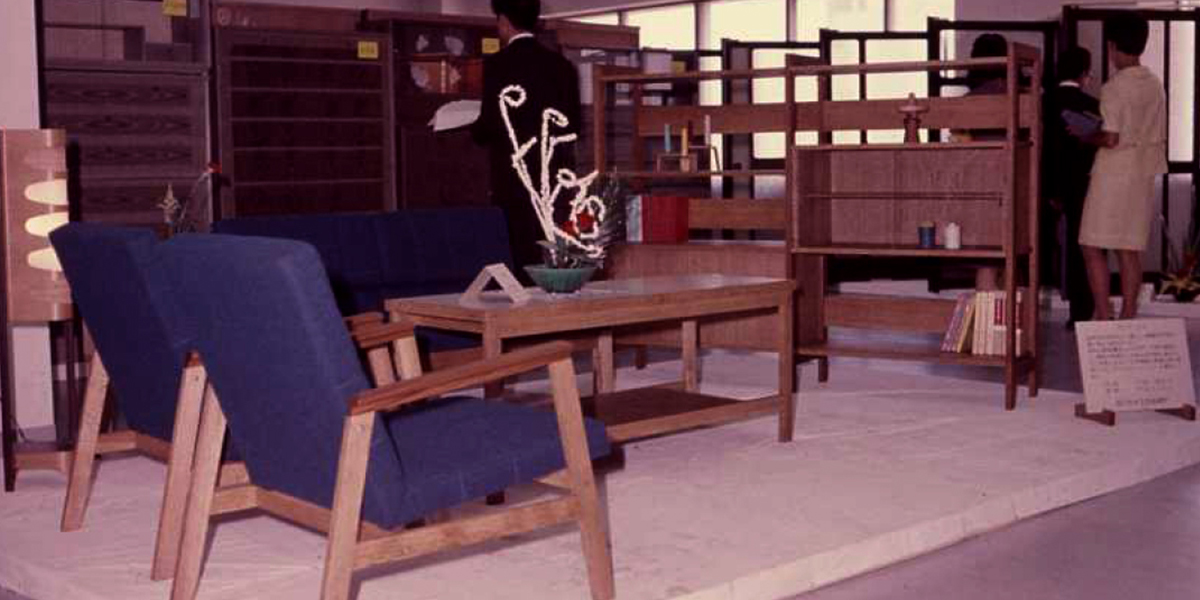
Restoration of Asahikawa furniture after the war.
After the end of the war, the production of furniture for the dispatching forces that have come to Asahikawa began and furniture production will gradually recover.In 1949, he was selected by the Ministry of Commerce and Industry as one of the 12 traditional famous furniture producing areas nationwide, and was designated as an important woodworking group area.After that, along with the nationwide economic growth, facilities were opened to cultivate backwards, such as the Wooden Craft Inst. (now the Craft Center) and the Asahikawa Public Professional Guidance Center of the Hokkaido Agency (now the Asahikawa High Technology Expert School of Hokkaido). In addition, many cooperatives, such as the Asahikawa Furniture Industries Cooperative Association, also took place, and the furniture manufacturing industry grew into a major industry in Asahikawa.
1990
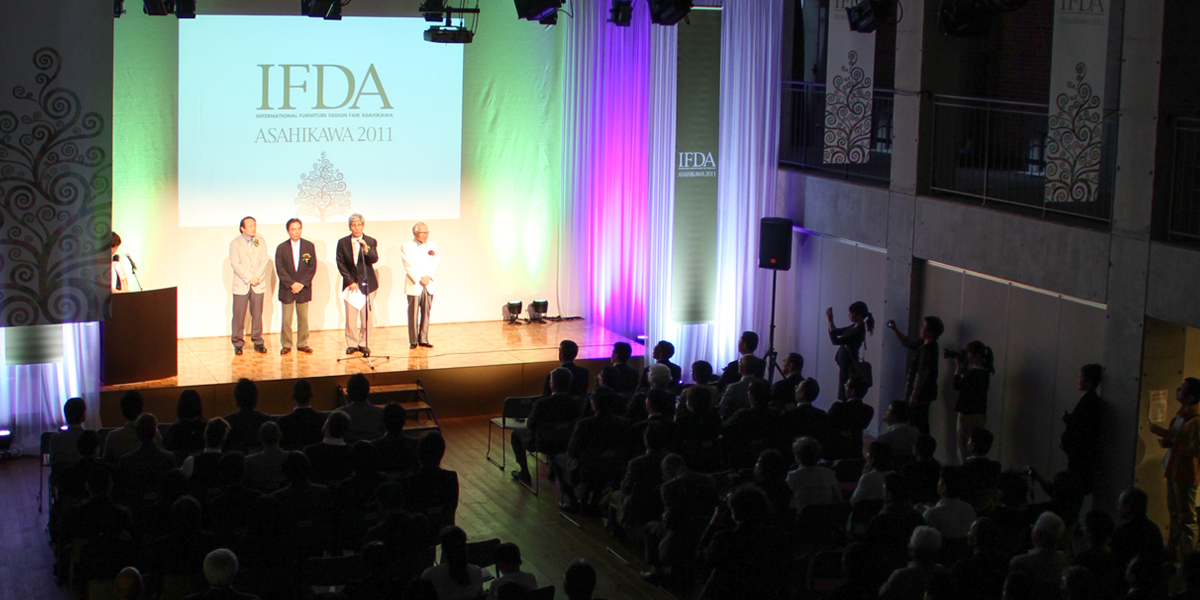
Asahikawa furniture in the internationalization age.
After the period of high growth after the war, Asahikawa Furniture will carry out new reforms. Until then, production of storage furniture called boxes, especially wedding warehouses, was active, but in response to the change in people's lives to the westerly wind, the company began manufacturing chairs and tables for legs. In addition, the tendency to focus on design for furniture is increasing, opening up design symposiums and international design forums. In 1990, the first of the International Furniture Design Competition Asahikawa (IFDA), which is said to be the climbing gate for today's global furniture designers, was held.
 Whatsapp Us Now :)!